01 / Winter: ask what is actually operating
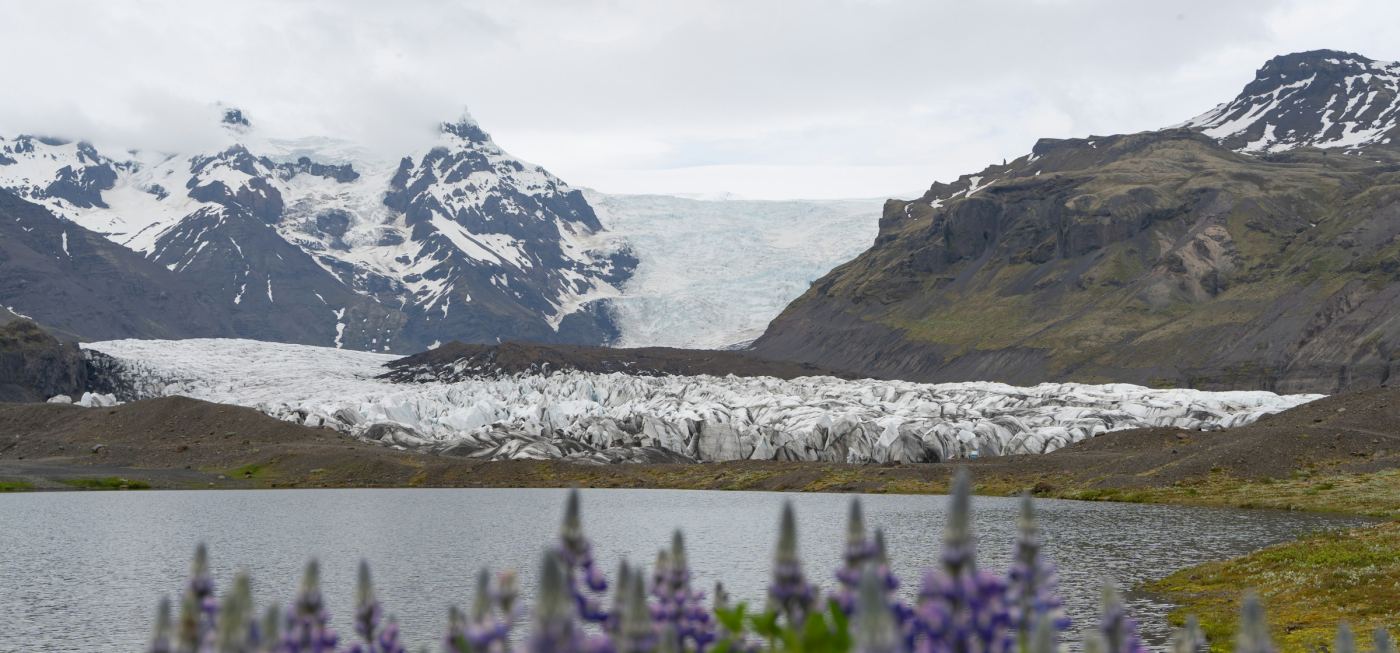
Shorter daylight and winter conditions affect transport and the shape of a day. Before choosing dates, ask the operator which activities are planned, what may change and what alternatives are available. An ice-cave photograph does not establish that the same cave is accessible now.
02 / Spring and autumn: leave room for change
Transitions between seasons do not happen on a fixed date. Compare the proposed itinerary, clothing requirements and cancellation terms. Build some flexibility into the journey around a weather-dependent activity instead of treating every day as a guaranteed programme.

03 / Summer: compare the walking programme
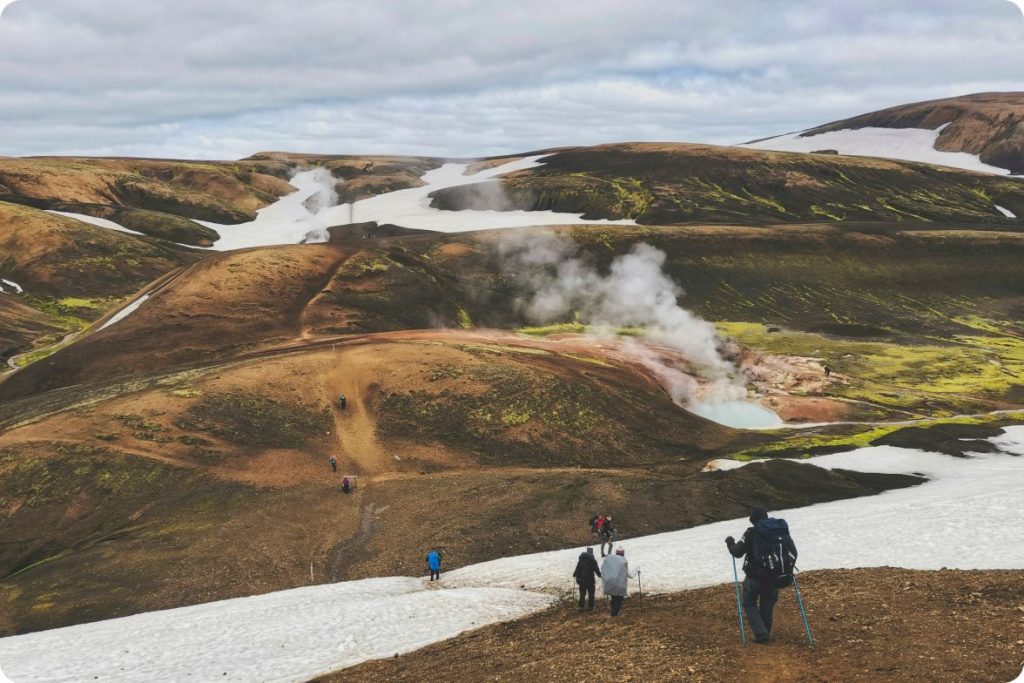
For a highland walking trip, check trail access, transport and accommodation for the exact dates. Long days can make the schedule feel spacious, but they do not remove weather or terrain constraints. Ask how the group’s pace and experience affect the plan.
For a highland walking trip, check trail access, transport and accommodation for the exact dates.
04 / Before you commit
Read current conditions on Safetravel and get the operator’s latest briefing. Use the itinerary to compare duration, transfers and included equipment. Confirm the practical details before booking onward travel.