01 / Clarify what is provided
Ask the operator to list shared camping equipment and any specialist items supplied for the activity. Confirm sizes, fitting arrangements and rental options.
02 / Pack for the programme
Clothing and personal items depend on the activity, accommodation and time away from transport. Follow the current operator list for layers, footwear, sleeping equipment and bags. Tell the guide if a required item is unfamiliar or difficult to source.
03 / Check before departure
Try the clothing and pack combination before travelling. Confirm baggage limits and whether luggage is carried by you or transferred. Keep medication and essential personal items accessible. Ask the operator how personal requirements can be accommodated.
Try the clothing and pack combination before travelling.
04 / Leave technical decisions to the briefing
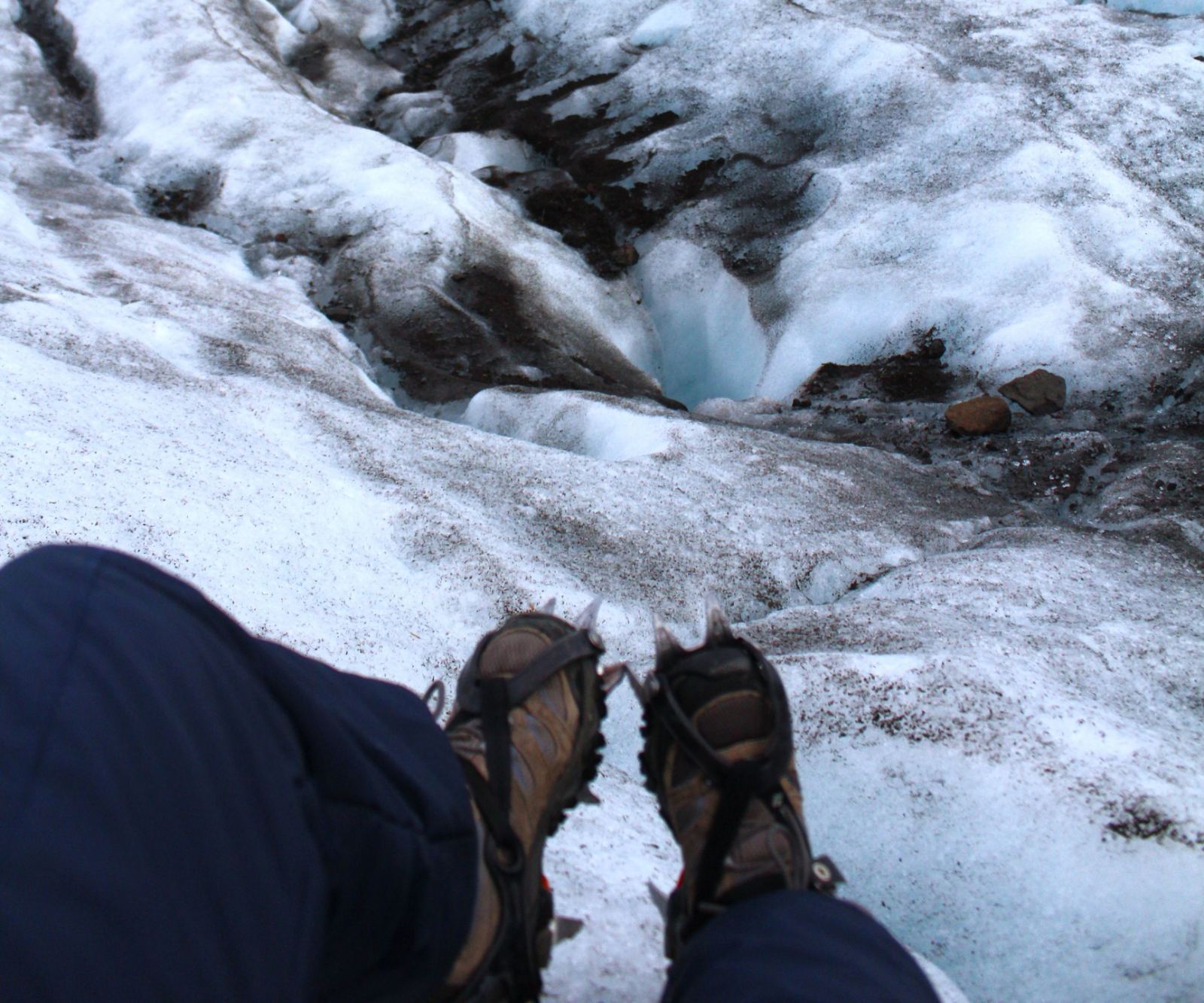
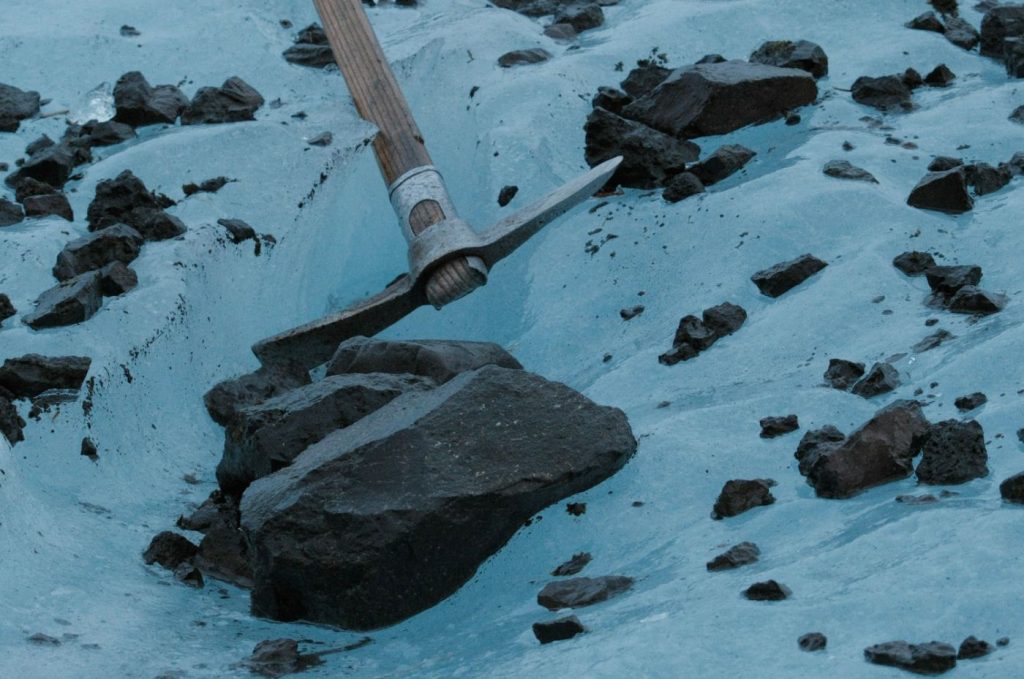
This note does not specify climbing equipment combinations or teach their use. Fit and procedures belong in the qualified guide’s briefing. Get a written checklist, confirm uncertainties and avoid assuming that an item visible in a photograph is suitable for your trip.
Light decides the small items
Daylight changes the list more than people expect. On 15 February 2027 Reykjavík has 8 h 37 min of daylight, with sunrise at 09:24 and sunset at 18:01. By 15 March it is 11 h 41 min, and by 15 April 15 h 4 min.
Layers for the season you walk in
Our expeditions run from February to August, and the same jacket does different work across that range. On the ice cap from February to April, plan for winter cold and for wind on open ice.
What we supply and what you bring
We supply the shared and technical equipment for each route, and the briefing covers how each item is used. You bring personal clothing, boots you have already walked in, and a pack that fits.
Pack for the hardest day
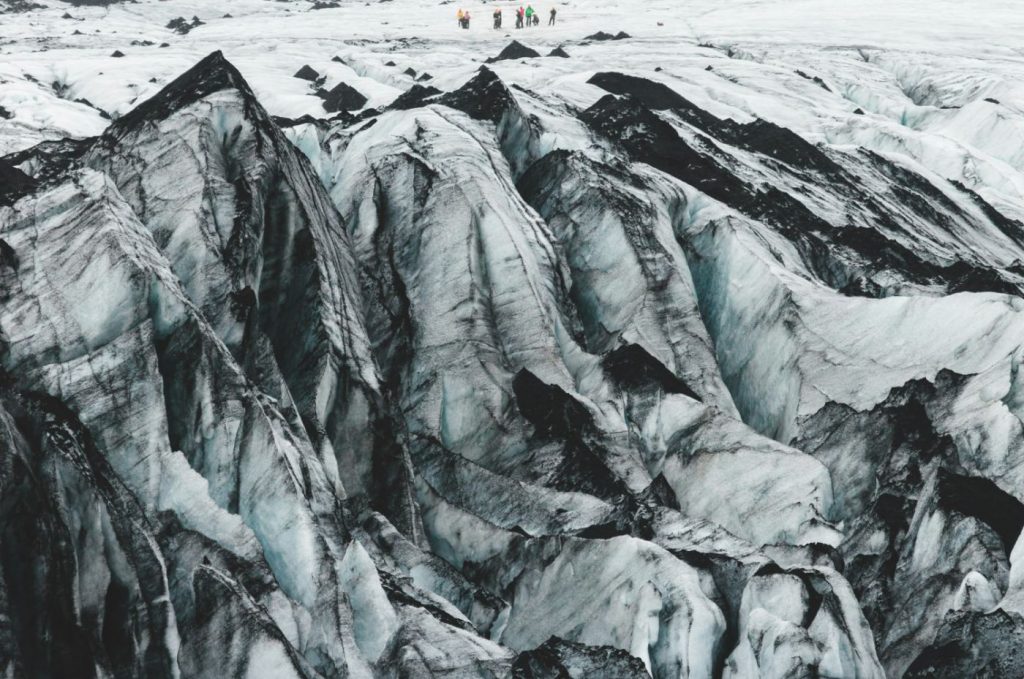
Every route takes the grade of its hardest day, and the pack should too. On the ice traverse, Grade 5, that means more than 8 hours on the move, so food and water you can reach without unpacking matter more than spare clothes.