01 / Ask which overnight places are planned
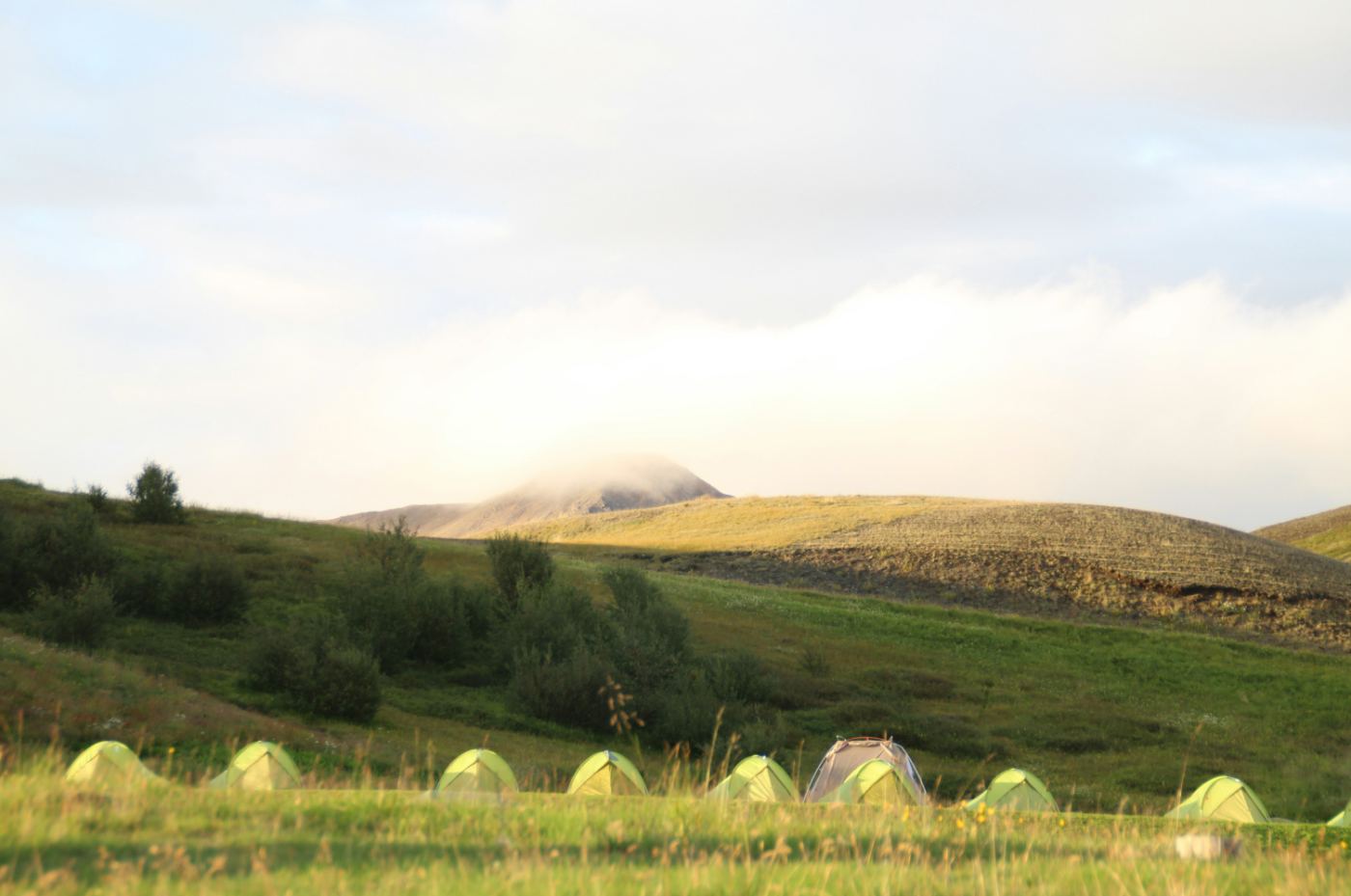
Get the names or descriptions of the proposed overnight stops and confirm that the operator has arranged the required permissions or bookings. A photograph of a tent does not establish a public camping location.
02 / Understand the facilities
Check toilets, water arrangements, food preparation and charging availability. Ask about privacy and accessibility needs before departure. Remote camping can mean simpler facilities than a staffed accommodation stop.
03 / Separate personal and shared equipment
Confirm whether tents, cooking equipment and sleeping items are provided. Ask who carries shared equipment and what bag volume you need. Use the operator’s current checklist instead of inferring a complete kit list from a photograph.
Confirm whether tents, cooking equipment and sleeping items are provided.
04 / Expect the plan to respond
The operator may change the overnight plan because of access or conditions. Ask how changes are communicated and which costs are covered. This note does not teach campsite safety assessment or identify an unverified campsite location.